Talk to us about our Advertising options. We publish our bi-annual magazine and send out regular newsletters too.
Past Paper Download
Price
£50.00
Variations
Advancements in process technology have resulted in a reduction in Green House Gas (GHG) emissions across the energy industry. Many Liquefied Natural Gas (LNG) facilities that were built several decades ago may be challenged to reduce their overall emissions. Retrofitting existing facilities with modern technologies could be a cost-effective means of achieving environmental targets. These retrofits can help in the reduction of Scope 1 (direct) and Scope 2 (indirect) GHG emissions.
The case study evaluates the impact of replacing a conventional gas turbine drive with an electric motor drive within an LNG facility refrigeration circuit including the impact on the overall energy balance. The concept behind the retrofit is to reduce overall GHG emissions - primarily exhaust emissions - while minimising impact to operations during the retrofit. The application of an electric motor drive is well documented, but their use has been associated with greenfield LNG projects rather than integration into existing LNG facilities.
The paper summarises the findings of the case study and describes the practicalities, challenges, and downtime associated in replacing gas turbine drivers with electric motors, thereby offering an insight into realistic solutions for existing facilities.

Talk to us about our Advertising options. We publish our bi-annual magazine and send out regular newsletters too.
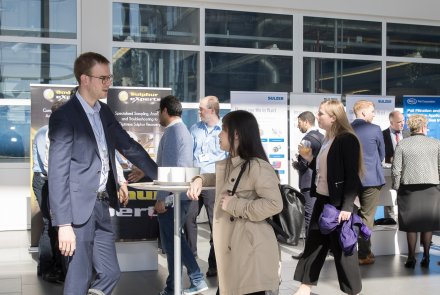
Our conferences provide a direct marketing channel to Directors and Process Engineers within the natural gas processing industry. You can meet and engage with around 100-member companies, all in one place. Click here to view our Sponsorship Opportunities.