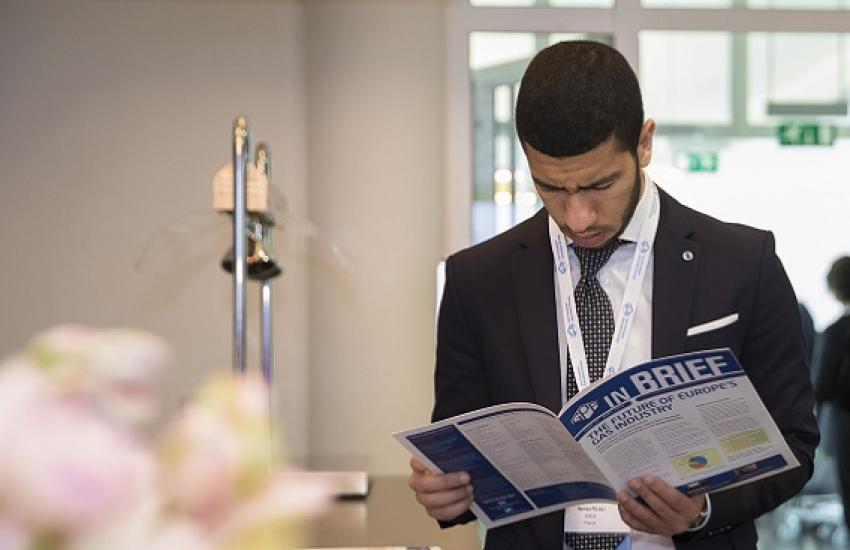

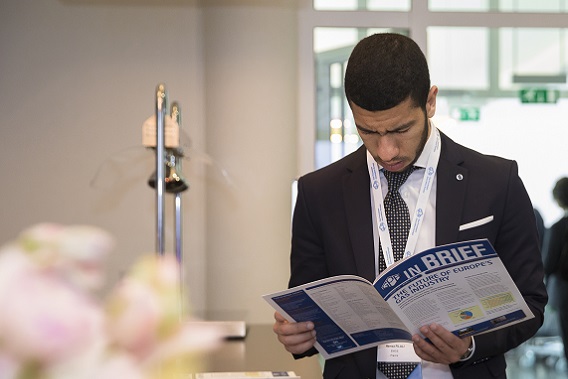
Check out our latest issue of In Brief!
JOIN US IN 2024
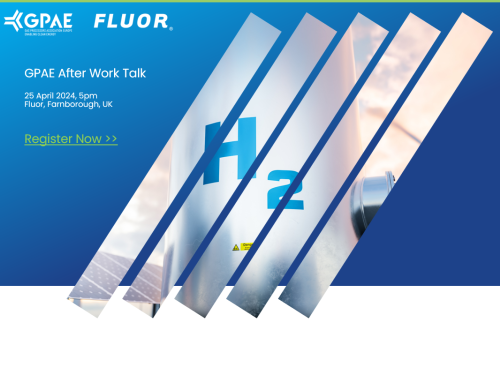
Join us on 25 April 2024 at 5pm for our first After Work Talk. An in-person 2-hour talk, and networking session organised by GPA Europe and hosted by Fluor in Farnborough, UK.
Registration is now closed as we have reached the capacity of our event. If you are interested in attending, please email Helen at [email protected] to be added to the Waiting List.
"Promoting Technical and Operational Excellence in The European Gas Processing Industry"
GPA founded in the US in the 1920's. In 1983, GPA Europe was established as a parallel organisation.
We currently have over 200 members, including the great majority of European gas companies. We aim to provide a forum to share ideas by bringing together business and technical leaders from a range of gas processing organisations across 20+ countries.
We are a not for profit organisation that brings players of the European Gas Industry together to do business around technical stories.
Here at GPA Europe, our role is two-fold:
1 GPA Europe promotes technical and operational excellence
2 GPA Europe serves as a forum for the exchange of ideas and information
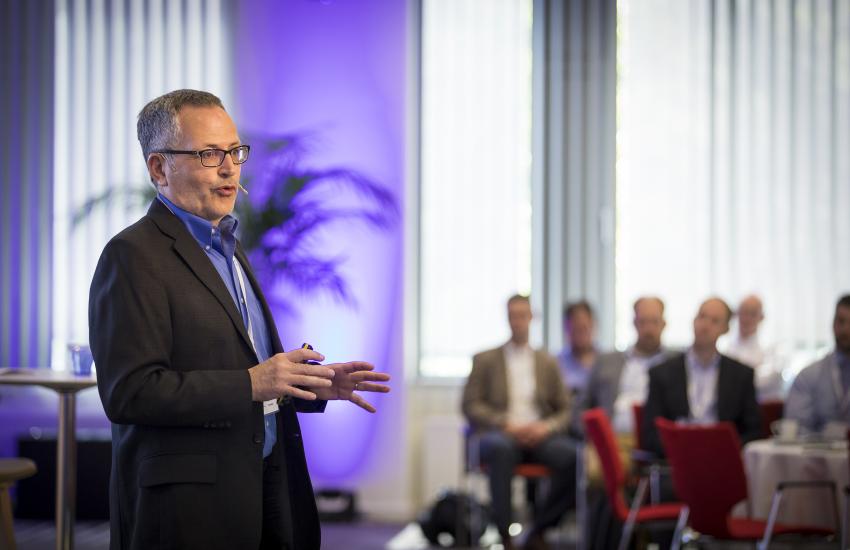
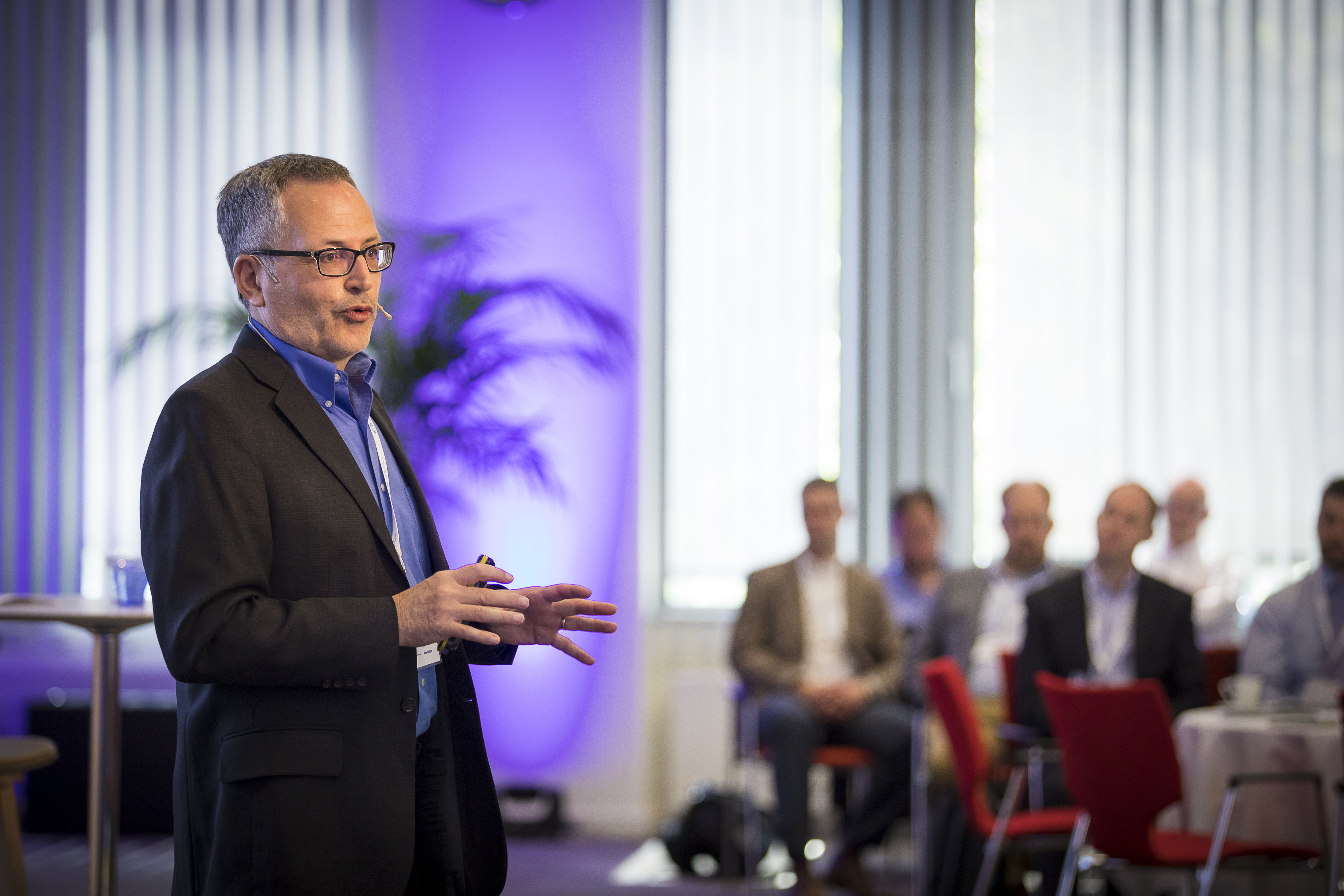
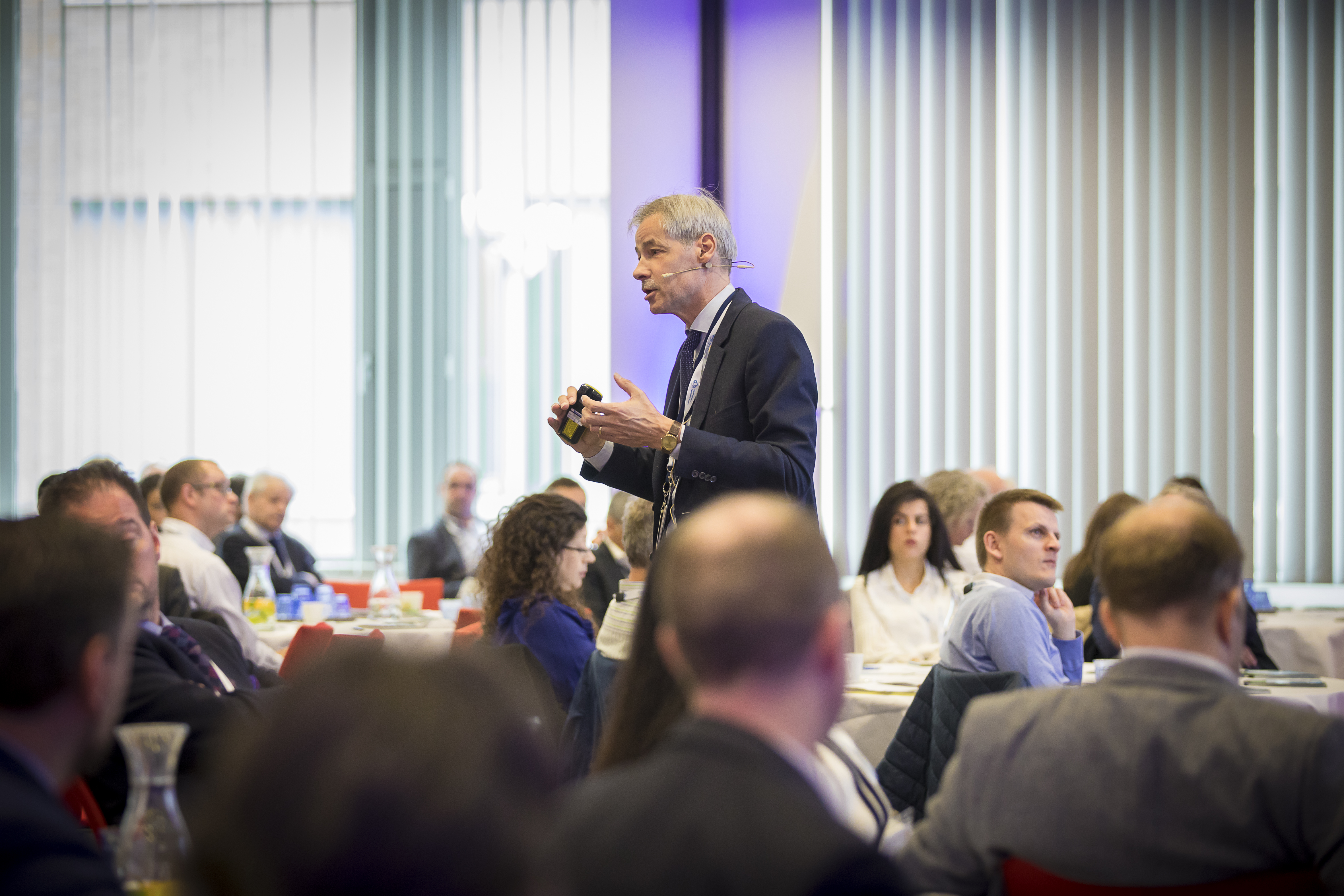
This month we are looking back to a presentation from François-Xavier Chiron from Axens. Presented during our Annual Conference 2022.
"Clean Hydrogen Purification with Catalysts and Adsorbents"
"Regardless of its color (green / blue / pink / white / …), hydrogen will certainly play a major role in the industry energy transition and the future of transportation. While a lot of efforts are naturally put to decrease the CAPEX of clean Hydrogen production, purification is often seen as a black box that still has to deliver up to 99.999 vol % H2. Hydrogen coming out of a manufacturing process (methane reforming / Electrolysis) or stored geologically come together with an array of impurities: oxygen, water, carbon oxides and sulfur to name the major components. Usages in mobility via a fuel cell or the use of hydrogen as a reactant in a catalytic conversion impose tight specification especially on oxygen and water.
This paper focuses on some key purification steps that use catalysts, adsorbents or scavengers to meet the required hydrogen purity.
The first application is the PDU (Purification & Drying Unit) located directly downstream an electrolyser. This purification package includes a deoxo catalyst (Axens commercial name is DO 125) and molecular sieve driers packed in a “zero-loss TSA system”. Depending on the electrolysis technology (AEL / PEM) hydrogen comes out with different levels of oxygen, but always water saturated. Oxygen is easily reacted with hydrogen over a precious metal catalyst: H2 + ½ O2 = H2O. Axens has developed in its historic facility at Salindres, France, a very active Pd based catalyst, supported on a specific alumina. Subsequently, the gas is cooled down and water is knocked out before entering the dehydration section. Based on years of experience in refining and Natural gas treatment, the drying section utilizes Axens MultiBed™ configuration so that water levels as low as 0.1 ppm mol can be guaranteed at the PDU section outlet.
Similarly, a PDU can be installed on blue hydrogen, just downstream the PSA. This unit is very similar to the PDU on electrolysers, with the difference that it is not O2 that has to be removed but traces of CO/CO2. Carbon oxides are well known poisons to fuel cells as well as for catalyst used in the hydrogenation of toluene for LOHC application for instance. Axens proposes MT 201 R, a pre-reduced methanation catalyst that effectively brings the CO/CO2 level to ultra-low concentration. Methanation is classically followed by a zero-loss TSA system, integrated on a skid.
Other purification with Axens adsorbents include the purification of white H2 (native H2) and hydrogen stored in salt caverns where hydrogen comes out enriched in sulfur. Sulfur scavengers produced in Axens factory in Saint-Louis are used to bring the hydrogen back to the highest standard.
Originating from years of experience in Adsorbents and Catalysts manufacturing, Axens proposes purification solution on all kind of hydrogen streams so that any specification can be met."
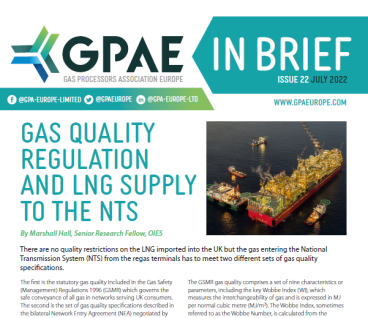
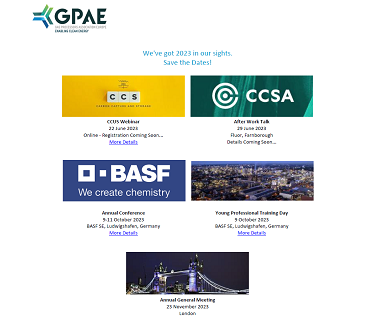
All the latest news from GPA Europe in June 2023.
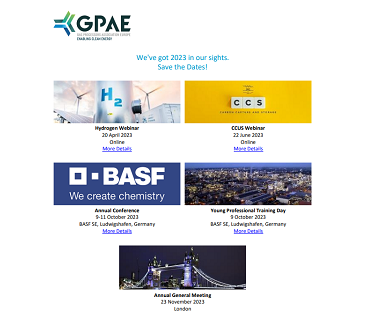
All the latest news from GPA Europe in May 2023.
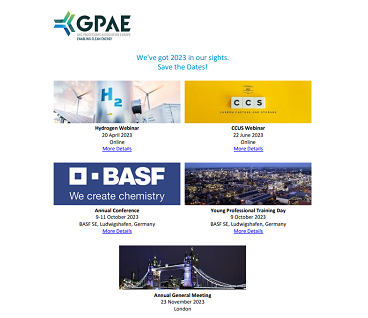
All the latest news from GPA Europe in April 2023.
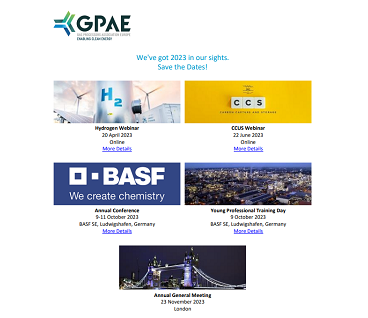
All the latest news from GPA Europe in March 2023.
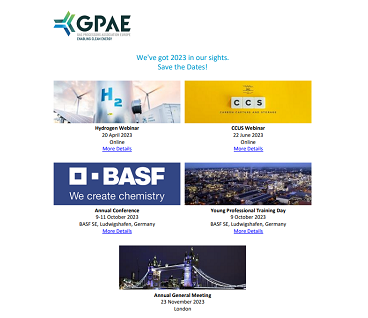
All the latest news from GPA Europe in February 2023.
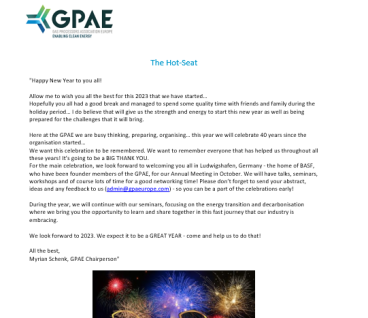
All the latest news from GPA Europe in January 2023.
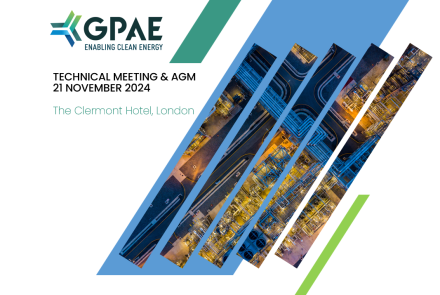
Presented at GPA Europe AGM 2023
Presented at GPA Europe AGM 2023